24/7 emergency dispatch
Frozen pipe burst? Stop the water before it spreads.
A frozen pipe can crack, thaw, leak, or burst, sending water into floors, walls, ceilings, basements, crawl spaces, cabinets, and hidden areas. The Flood Team helps control the source, remove the water, dry affected materials, prevent mold, support repairs, and document the damage for insurance.
What to do right now
First steps after a frozen pipe burst
Act Fast: shut off the water if safe, avoid forcing heat on the pipe, stay away from wet electrical areas, take photos, and call a 24/7 water damage team before water spreads into walls, floors, ceilings, and hidden spaces.
01.
Shut off the main water supply
If the pipe has burst or water is leaking, turn off the main water supply if you can do it safely.
02.
Do not use open flames
Do not use a torch, open flame, or unsafe heat source to thaw frozen pipes. This can create fire risk and additional damage.
03.
Avoid electrical hazards
Do not touch outlets, cords, appliances, breaker panels, or electrical items near wet areas.
04.
Move valuables if safe
Move furniture, electronics, rugs, documents, and important belongings away from wet areas if it is safe to do so.
05.
Take photos if safe
Document the pipe area, standing water, affected walls, flooring, ceilings, cabinets, and belongings before cleanup begins.
06.
Call for water removal and drying
Frozen pipe water damage can spread behind walls and under floors. Fast water removal, drying, and moisture checks can help reduce mold risk and repair needs.
A frozen pipe may leak slowly at first, then release more water as it thaws. Do not wait until the surface looks dry — water can hide behind walls, under floors, and above ceilings.
Will insurance help with this?
Coverage depends on your policy, the cause of the frozen pipe damage, whether the pipe burst suddenly, whether heat or maintenance issues are involved, and what materials were affected. The Flood Team helps document photos, moisture readings, affected materials, cleanup steps, drying progress, and repair scope details so the claim process is easier to manage.
Why frozen pipes can cause serious water damage
When water freezes inside a pipe, pressure can build until the pipe cracks or bursts. The damage may not become obvious until the pipe starts thawing and water begins leaking into nearby rooms, ceilings, walls, cabinets, or basement areas.
Even after the water is shut off, the property may still need water extraction, structural drying, moisture checks, mold prevention, damaged material removal, repair support, and insurance documentation.
Every hour counts.
The faster water removal and drying begin, the lower the risk of hidden moisture, mold, damaged materials, and larger reconstruction needs.
~45 min
Avg. response
24/7
Live dispatch
How we fix it
One team for the whole frozen pipe emergency
We do more than remove visible water. The Flood Team helps control the source, remove water, dry affected materials, document the damage, and support repairs so the property can move from emergency to recovery.
Control the source
The water supply needs to be shut off, controlled, or repaired before full cleanup and drying can move forward.
Water extraction
Standing water is removed from floors, basements, rooms, carpet, padding, and affected materials using professional equipment.
Structural drying
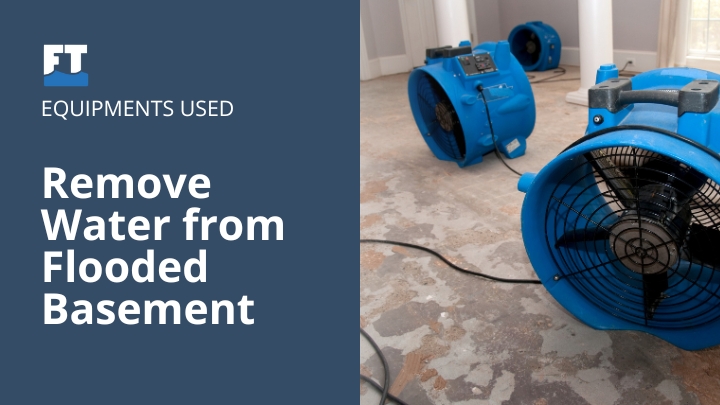
Air movers, dehumidifiers, and moisture checks help dry walls, floors, ceilings, cabinets, framing, and hidden spaces.
Restore and repair
After drying, damaged drywall, flooring, cabinets, ceilings, trim, paint, and other materials may need repair or reconstruction.
Documentation that makes the process easier
The Flood Team helps document frozen pipe water damage with photos, moisture readings, affected material notes, cleanup details, drying progress, and repair scope support. We do not decide coverage, but we help make the restoration side of the claim easier to understand.
Photos of affected areas
Moisture readings
Cleanup and drying notes
Repair scope support
Every hour counts.
The faster water removal and drying begin, the lower the risk of hidden moisture, mold, damaged materials, and larger reconstruction needs.
~45 min
Avg. response
24/7
Live dispatch
Trusted for fast cleanup, drying, and restoration
Customers trust The Flood Team for quick response, water extraction, drying, repair support, insurance coordination, and clear communication from start to finish.

 Nathan Merry
Trustindex verifies that the original source of the review is Google.
I used Blake and his crew at The Flood Team and once again they did a fantastic job. Very professional and they communicate throughout every step of the process. Highly recommend. eileen WThe Flood team did a very good job for the mitigation. We did not have any issue after the job was done. Blake gave an estimate, and final price was the same. We had another company estimated, and told us a loose estimate, may be more after the job is done and we have to sign that agreement. We didn't like that. Blake responded very quick and came in a few days after we signed the contract. He kept his words about days when he will be at the house. The other company told us at least a week or more. Blake's estimate was reasonable compared to the other company. He also gave us some knowledge about things which are covered under our insurance. I highly recommend him and the flood team. We will use them again if needed in the future.
 Rob HallerThe Flood Team crew arrives on time, professionally extracts the water, dry’s everything thoroughly, and handles the drywall repairs with care. They even help coordinate with your insurance. They really take the stress out of a nightmare situation. Highly recommend for any water damage restoration needs.
 Barry SuntrupVery professional and trustworthy
 Shelbey StoneThe Flood Team did a very professional job mitigating the water from our 900 square feet basement. One of the rooms was finished, and they were able to save the carpet. They were able to tow away our damaged goods the same day and carried them all upstairs. They bricked all our furniture for the drying process and promptly and accurately recorded saturation eta the following days to be sure the basement was drying as expected. When the insurance adjuster came to view the damage, a flood team representative came back out to be here in case there were any technical questions about the mitigation process they executed.
 Megan GordonThey came out quickly, handled our interior storm damage efficiently, and the clean up they did after was impressive! They have been professional and so pleasant to work with. This whole experience has been stressful, but they made it easier!
 JENNIFER BINGHAMVery helpful team! They were responsive, informative and did a great job at our home!!!
 Angie WilliamsReached out to Flood Team and Thor came the same day. He was professional, knowledgeable, considerate and a hard worker. Once Thor determined the areas that water existed underneath the underlying floors, he pulled up all damaged flooring. He also took extra care when moving my furniture, he strategically set up humidifiers and industrial fans on two floors to speed up the drying process. He checked in daily to give updates. Highly recommend
 Susan MintzVery response and helpful! Made the extra effort to do what they could for us under dynamic circumstances.
Keep exploring
Related water emergencies
Related Services
Services that support burst pipe cleanup
Water damage restoration
Water removal, drying, moisture checks, mold prevention, repair support, and documentation after water damage.
Plumbing leak repair
Source repair support for leaking pipes, broken lines, water lines, fixtures, and plumbing-related water damage.
Reconstruction and repairs
Drywall, flooring, cabinets, ceilings, trim, painting, and repair support after cleanup and drying are complete.
Mold remediation
Inspection, containment, removal, moisture control, and prevention support after water damage.
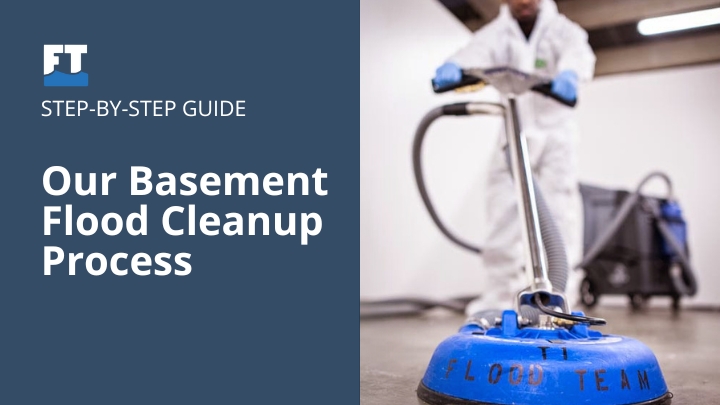
Flooded basement cleanup
Basement water removal, drying, moisture checks, and mold prevention after standing water or pipe damage.
Insurance claims support
Photos, moisture readings, affected material notes, cleanup details, and repair scope support.
Frozen pipe FAQs
Find quick answers about dishwasher leaks, washing machine overflows, water heater leaks, refrigerator water line leaks, cleanup, drying, repairs, and insurance support.
What should I do first if a frozen pipe bursts?
If safe, shut off the main water supply, avoid wet electrical areas, move valuables away from the water, take photos, and call The Flood Team for water removal and drying support.
Can a frozen pipe leak after it thaws?
Yes. A pipe can crack while frozen and begin leaking once the ice melts and water starts flowing again. That is why frozen pipe issues should be checked quickly.
Can a frozen pipe cause hidden water damage?
Yes. Water can move behind walls, under floors, above ceilings, around cabinets, and inside insulation. Moisture checks help find hidden water that is not visible from the surface.
Do I need professional drying after a frozen pipe leak?
If water has spread into walls, flooring, carpet, ceilings, cabinets, basements, or finished areas, professional drying may be needed to reduce hidden moisture and mold risk.
Can frozen pipe water damage cause mold?
Yes. If moisture remains in drywall, flooring, trim, cabinets, insulation, or hidden spaces, mold can grow. Fast drying and moisture control help reduce that risk.
Does insurance cover frozen pipe water damage?
Coverage depends on your policy, the cause of the damage, and the circumstances around the frozen pipe. The Flood Team helps document photos, moisture readings, cleanup steps, and repair scope details.
Where do frozen pipes usually happen?
Frozen pipes often happen in exterior walls, basements, crawl spaces, garages, attics, under sinks, and areas with poor insulation or cold air exposure.
Can you help commercial properties with frozen pipe damage?
Yes. The Flood Team helps homes, businesses, property managers, apartments, offices, facilities, and commercial properties with frozen pipe cleanup, drying, documentation, and repair support.
Frozen pipe burst? Let’s stop the damage.
Talk to The Flood Team now and get help with water removal, drying, moisture checks, mold prevention, repair support, and insurance documentation.

Learn about referrals, owner operators, and franchise opportunities with The Flood Team