24/7 emergency dispatch
Apartment building water damage? Protect tenants and units fast.
Water damage in apartments and multi-unit buildings can spread between units, hallways, ceilings, walls, floors, laundry rooms, restrooms, basements, and shared areas. The Flood Team helps remove water, dry affected spaces, reduce tenant disruption, support repairs, and document the damage for insurance.
If water is spreading through one or more units, restrict access to unsafe areas and call for help right away.
What to do right now
First steps after apartment or multi-unit water damage
Act fast: restrict unsafe areas, protect tenants, stop the source if safe, document affected units, and call a 24/7 commercial water damage team before moisture spreads into walls, ceilings, floors, and shared spaces.
01.
Restrict access to affected areas
Keep tenants, residents, staff, vendors, and visitors away from standing water, slippery floors, wet electrical areas, sagging ceilings, contaminated water, or damaged rooms.
02.
Check nearby units and shared spaces
Water can move between apartments, ceilings, walls, hallways, laundry rooms, basements, and mechanical areas. Check nearby spaces only if it is safe.
03.
Stop the source if safe
Shut off the fixture, appliance, valve, unit supply, or main water supply if you can do it safely. Do not enter unsafe mechanical, electrical, or flooded areas.
04.
Avoid electrical hazards
Do not touch outlets, cords, appliances, breaker panels, HVAC equipment, ceiling lights, or electrical rooms near wet areas.
05.
Document affected units
Take photos of the suspected source, standing water, affected units, ceilings, walls, floors, hallways, belongings, and damaged materials before cleanup begins.
06.
Call for water removal and drying
Multi-unit water damage can spread quickly. Professional water removal, drying, moisture checks, and documentation can help reduce tenant disruption and repair complexity.
Do not wait for affected units to dry on their own. Water can travel through ceilings, walls, floors, shared plumbing chases, hallways, and hidden spaces before the full damage is visible.
Will insurance help with this?
Coverage depends on the property policy, tenant policies, the source of the water damage, how sudden the loss was, affected units, and whether plumbing, appliance leaks, roof leaks, sewer backup, drain backup, storm water, or long-term issues are involved. The Flood Team helps document photos, moisture readings, affected materials, cleanup steps, drying progress, and repair scope details so the claim process is easier to manage.
Why apartment and multi-unit water damage needs fast action
Water damage in apartments and multi-unit buildings can happen from burst pipes, pipe leaks, roof leaks, AC unit leaks, sprinkler discharge, toilet overflows, shower overflows, appliance leaks, laundry room leaks, drain backups, sewer backups, water heater failures, storm damage, or equipment-related leaks.
Even after the source is controlled, the building may still need water extraction, structural drying, moisture checks, mold prevention, damaged material removal, repair support, odor control, access coordination, tenant communication support, and insurance documentation.
Every hour counts.
The faster water removal and drying begin, the lower the risk of tenant disruption, hidden moisture, mold, damaged materials, odor, and larger reconstruction needs.
~45 min
Avg. response
24/7
Live dispatch
How we fix it
One team for the whole apartment and multi-unit water damage emergency
We do more than remove visible water. The Flood Team helps control the source, extract water, dry affected units and shared areas, document the damage, and support repairs so the building can move from emergency to recovery.
Control the source
The pipe leak, appliance leak, roof leak, AC issue, sprinkler discharge, overflow, drain backup, sewer backup, or related source needs to be controlled before full cleanup and drying can move forward.
Water extraction
Standing water is removed from apartments, hallways, bathrooms, kitchens, laundry rooms, basements, storage areas, flooring, carpet, and shared spaces using professional equipment.
Structural drying
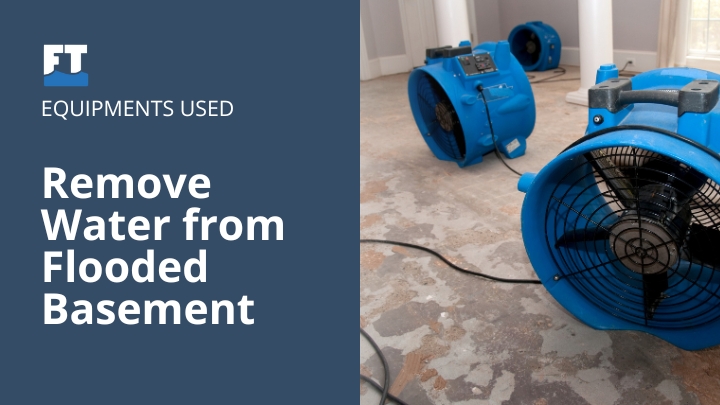
Air movers, dehumidifiers, and moisture checks help dry floors, walls, ceilings, carpet, cabinetry, insulation areas, shared wall cavities, and hidden building materials.
Restore and repair
After drying, damaged drywall, flooring, ceilings, trim, paint, insulation, cabinetry, apartment finishes, and shared building materials may need repair or reconstruction.
Documentation that makes the process easier
The Flood Team helps document apartment and multi-unit water damage with photos, moisture readings, affected material notes, cleanup details, drying progress, and repair scope support. We do not decide coverage, but we help make the restoration side of the claim easier to understand.
Photos of affected areas
Moisture readings
Cleanup and drying notes
Repair scope support
Every hour counts.
The faster water removal and drying begin, the lower the risk of hidden moisture, mold, damaged materials, and larger reconstruction needs.
~45 min
Avg. response
24/7
Live dispatch
Trusted for fast cleanup, drying, and restoration
Customers trust The Flood Team for quick response, water extraction, drying, repair support, insurance coordination, and clear communication from start to finish.


 Trustindex verifies that the original source of the review is Google.
 Trustindex verifies that the original source of the review is Google.
 Trustindex verifies that the original source of the review is Google.
 Trustindex verifies that the original source of the review is Google.
 Trustindex verifies that the original source of the review is Google.
 Trustindex verifies that the original source of the review is Google.
 Trustindex verifies that the original source of the review is Google.
 Trustindex verifies that the original source of the review is Google.
 Trustindex verifies that the original source of the review is Google.
Keep exploring
Related water emergencies
Related Services
Services that support burst pipe cleanup
Water damage restoration
Water removal, drying, moisture checks, mold prevention, repair support, and documentation after water damage.
Plumbing leak repair
Source repair support for leaking pipes, broken lines, water lines, fixtures, and plumbing-related water damage.
Reconstruction and repairs
Drywall, flooring, cabinets, ceilings, trim, painting, and repair support after cleanup and drying are complete.
Mold remediation
Inspection, containment, removal, moisture control, and prevention support after water damage.
Flooded basement cleanup
Basement water removal, drying, moisture checks, and mold prevention after standing water or pipe damage.
Insurance claims support
Photos, moisture readings, affected material notes, cleanup details, and repair scope support.
Apartment and multi-unit water damage FAQs
Find quick answers about dishwasher leaks, washing machine overflows, water heater leaks, refrigerator water line leaks, cleanup, drying, repairs, and insurance support.
What should I do first after water damage in an apartment building?
Restrict access to unsafe areas, avoid electrical hazards, stop the source if safe, check nearby units if safe, take photos, and call The Flood Team for water removal, drying, moisture checks, and documentation support.
Can water damage spread between apartment units?
Yes. Water can move through ceilings, floors, walls, plumbing chases, shared cavities, hallways, and lower units before the full damage is visible.
Do apartment buildings need professional drying after water damage?
Yes, if water has reached flooring, drywall, ceilings, insulation, walls, carpet, cabinets, shared spaces, or hidden materials. Professional drying helps reduce hidden moisture and mold risk.
Can apartment water damage cause mold?
Yes. If moisture remains in walls, flooring, ceilings, insulation, carpet, cabinets, or hidden spaces, mold can grow. Fast drying and moisture control help reduce that risk.
Does insurance cover apartment or multi-unit water damage?
Coverage depends on the property policy, tenant policies, the source of the water, and whether the damage was sudden, storm-related, plumbing-related, sewage-related, appliance-related, long-term, or maintenance-related. The Flood Team helps document photos, moisture readings, cleanup steps, and repair scope details.
What causes water damage in apartments and multi-unit buildings?
Common causes include burst pipes, pipe leaks, roof leaks, AC unit leaks, sprinkler discharge, toilet overflows, shower overflows, appliance leaks, laundry room leaks, drain backups, sewer backups, water heater failures, and storm damage.
Can you help property managers with multi-unit water damage?
Yes. The Flood Team helps property managers, landlords, apartment owners, facility teams, and building operators with water removal, drying, moisture checks, documentation, and repair support.
Can you help after-hours or overnight?
Yes. The Flood Team provides 24/7 emergency dispatch for apartment and multi-unit water damage, including after-hours, overnight, weekend, and urgent property emergencies.
Apartment building water damage? Let’s protect the units and structure.
Talk to The Flood Team now and get help with water removal, structural drying, moisture checks, mold prevention, repair support, and insurance documentation for apartments and multi-unit buildings.
Learn about referrals, owner operators, and franchise opportunities with The Flood Team